The Tekaya Experience: Mechanisms of Community Solidarity in Khartoum During the War (2023–2025)
July 21, 2025
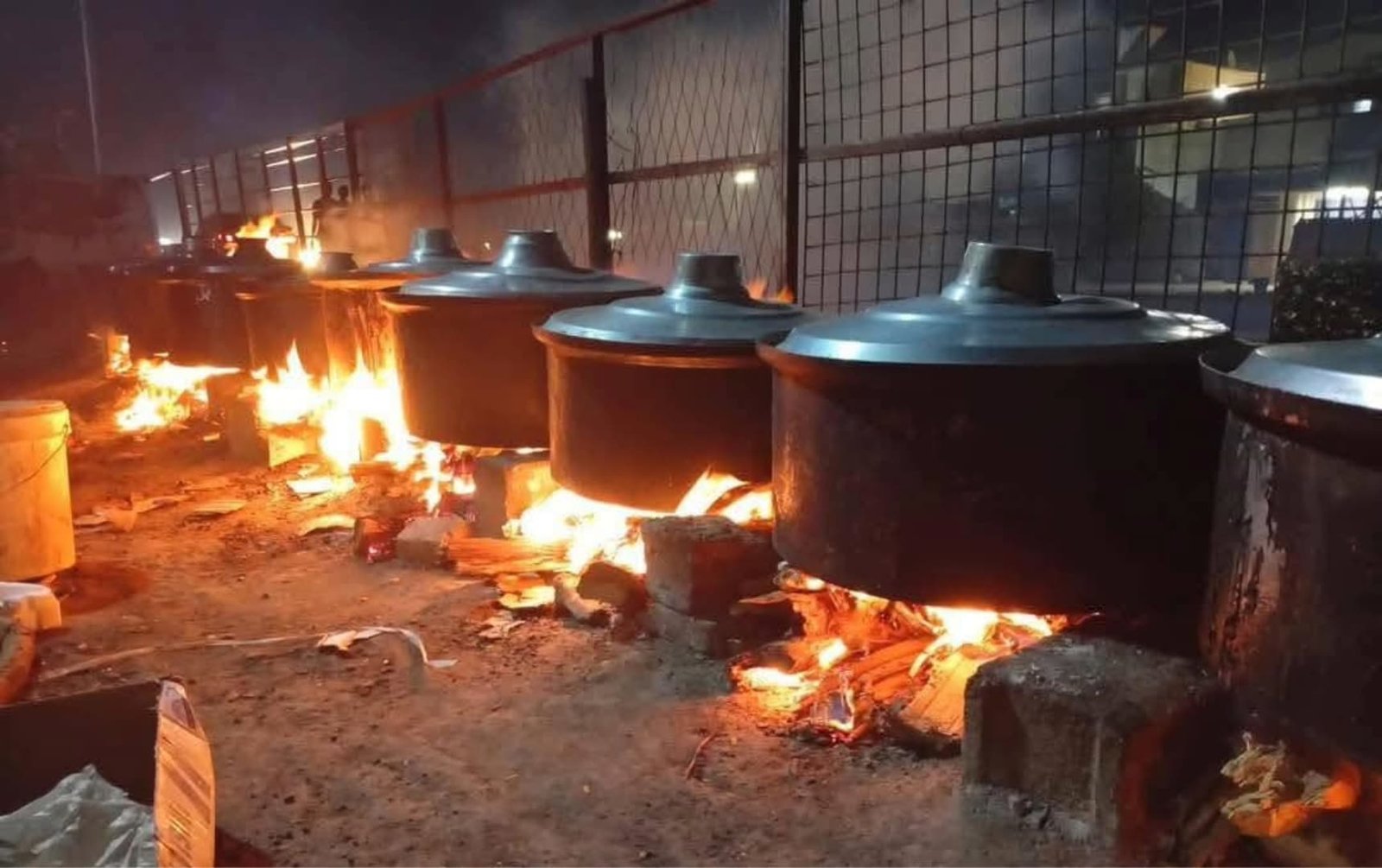
This paper examines the “Tekaya” phenomenon as a form of mutual aid that emerged in Khartoum during the war and the collapse of state institutions. Neighborhoods and mosques were transformed into communal kitchens providing free meals to tens of thousands of affected individuals daily. These initiatives relied on the efforts of local residents, remittances from expatriates, and resistance committees, in the absence of any official support.